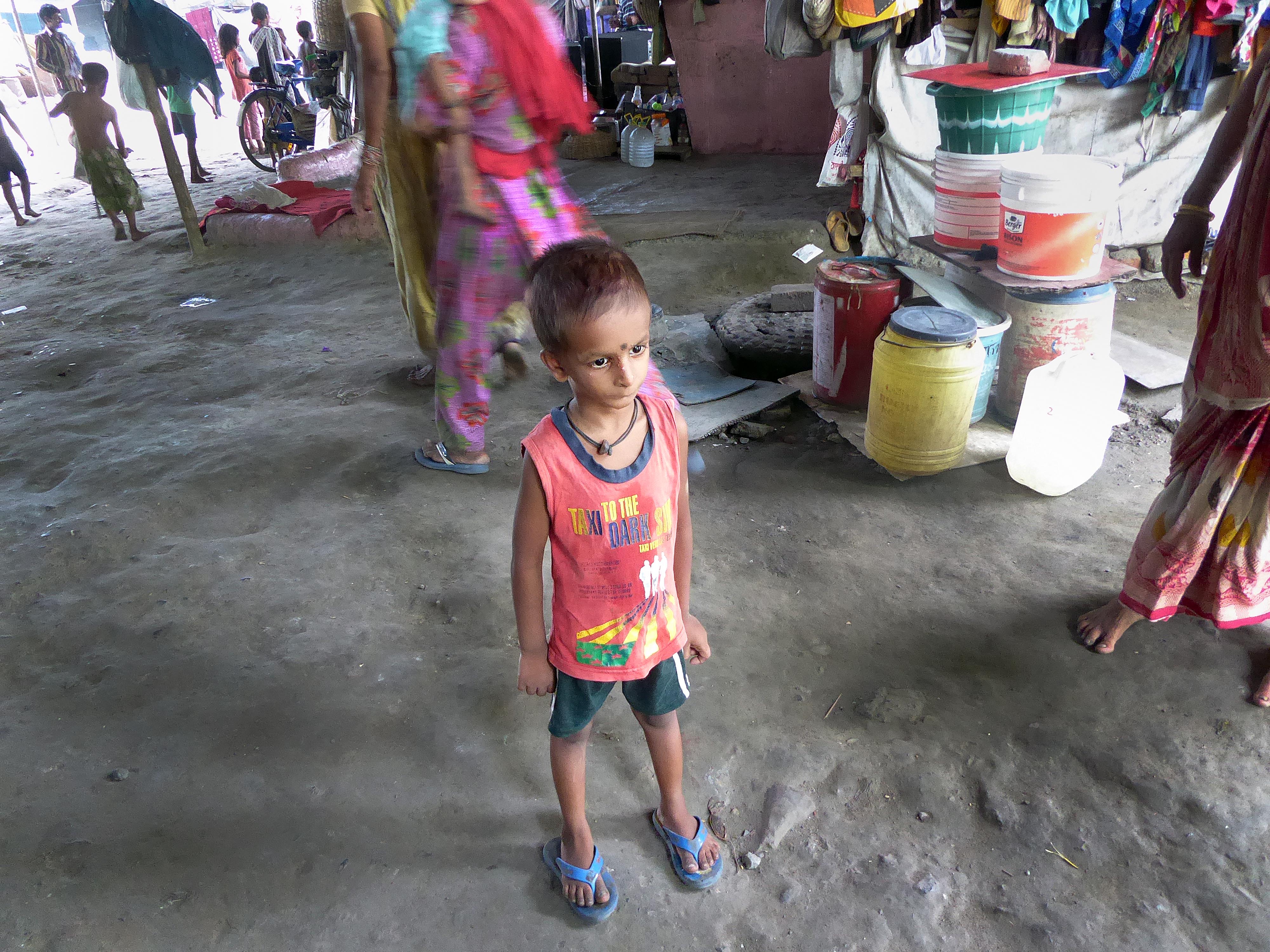
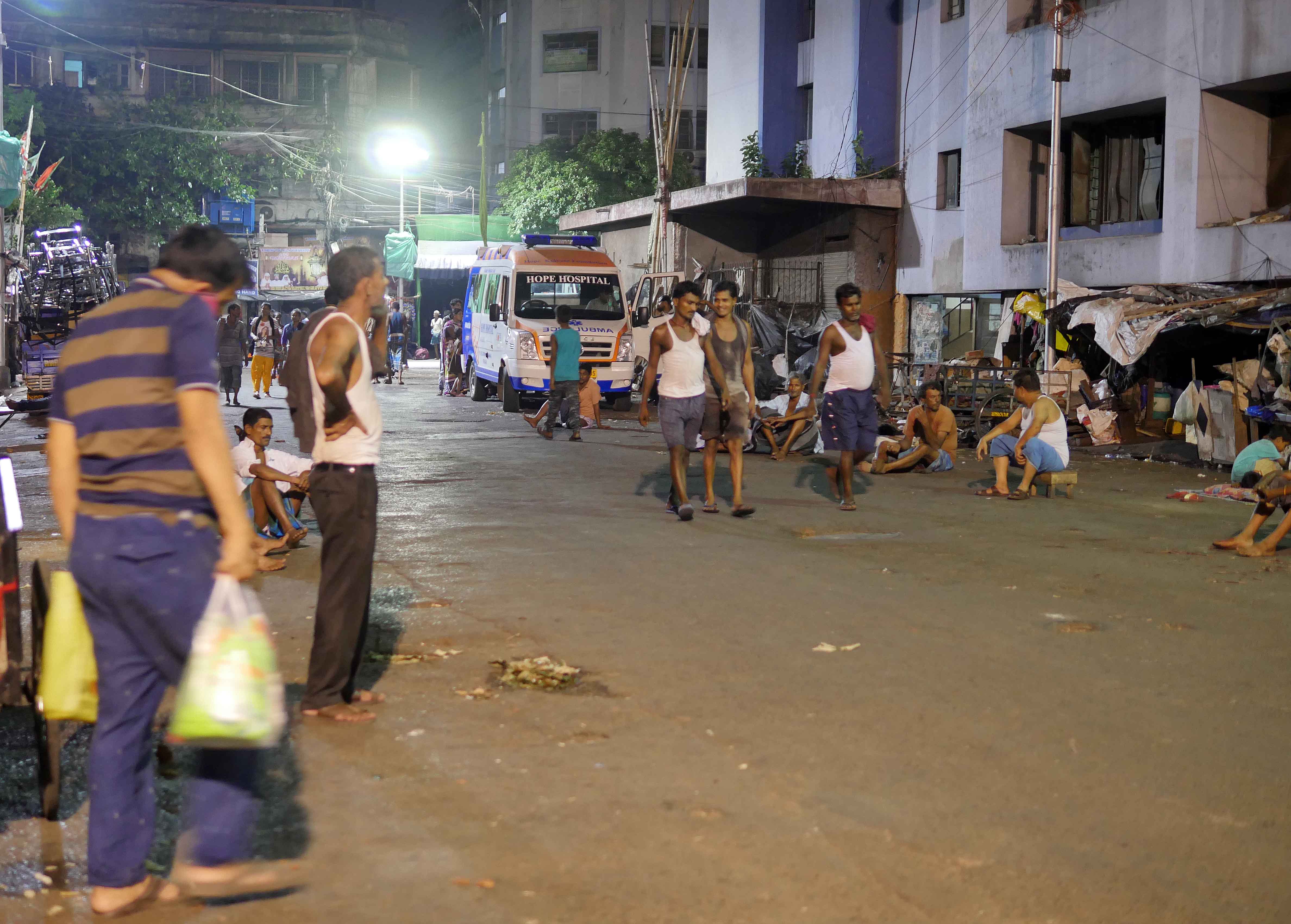
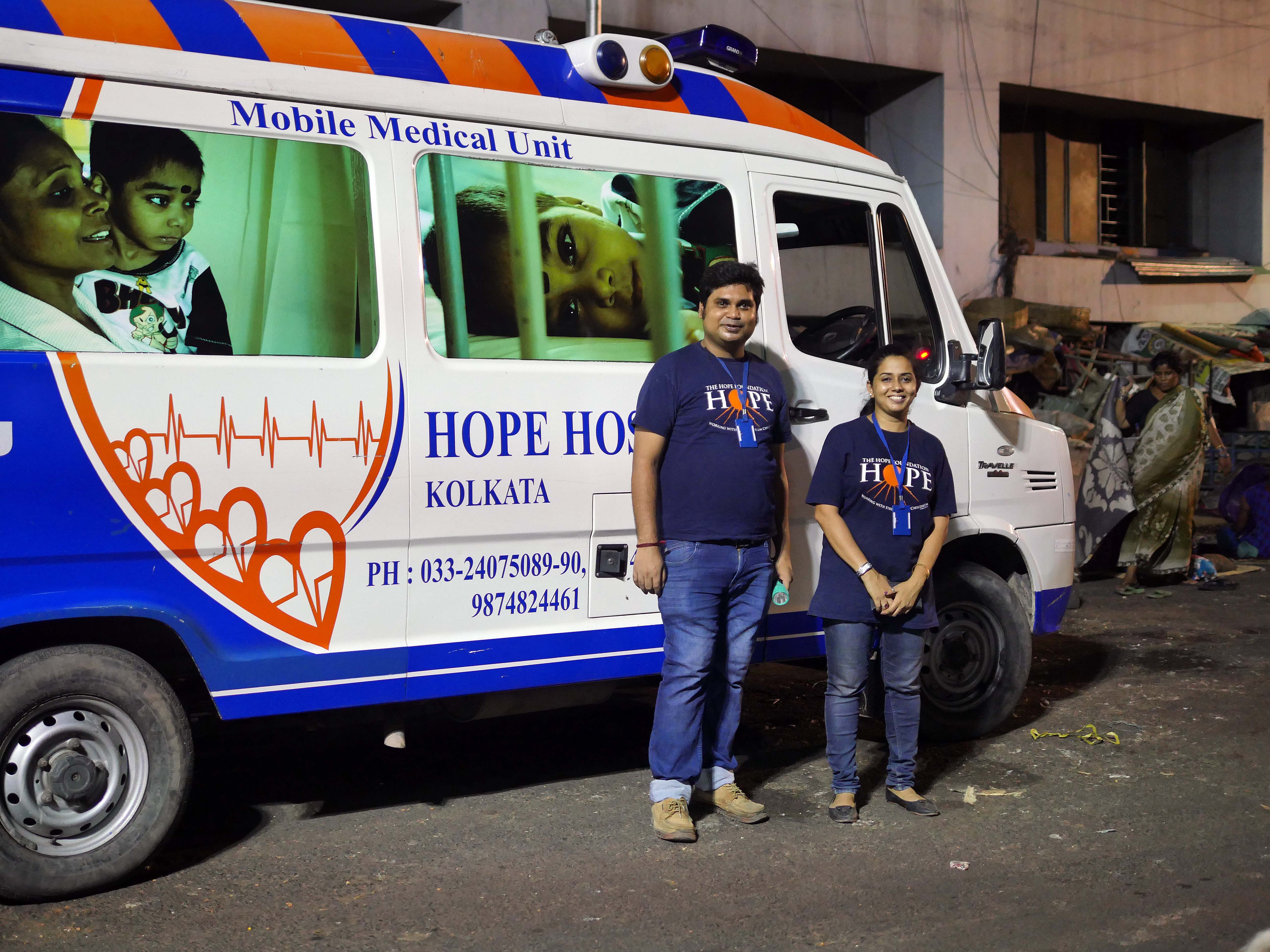
We work closely with Hope Foundation’s ‘Nightwatch’ programme. The Nightwatch ambulance visits areas where street people form communities such as on the edge of rubbish dumps, near railway stations, or under flyovers. The ambulance carries a range of basic medicines dispensed by a doctor who is supported by a nurse, a welfare officer and a driver. Fortunately, we are able to go with them to check on families we know and identify others who may need our support.
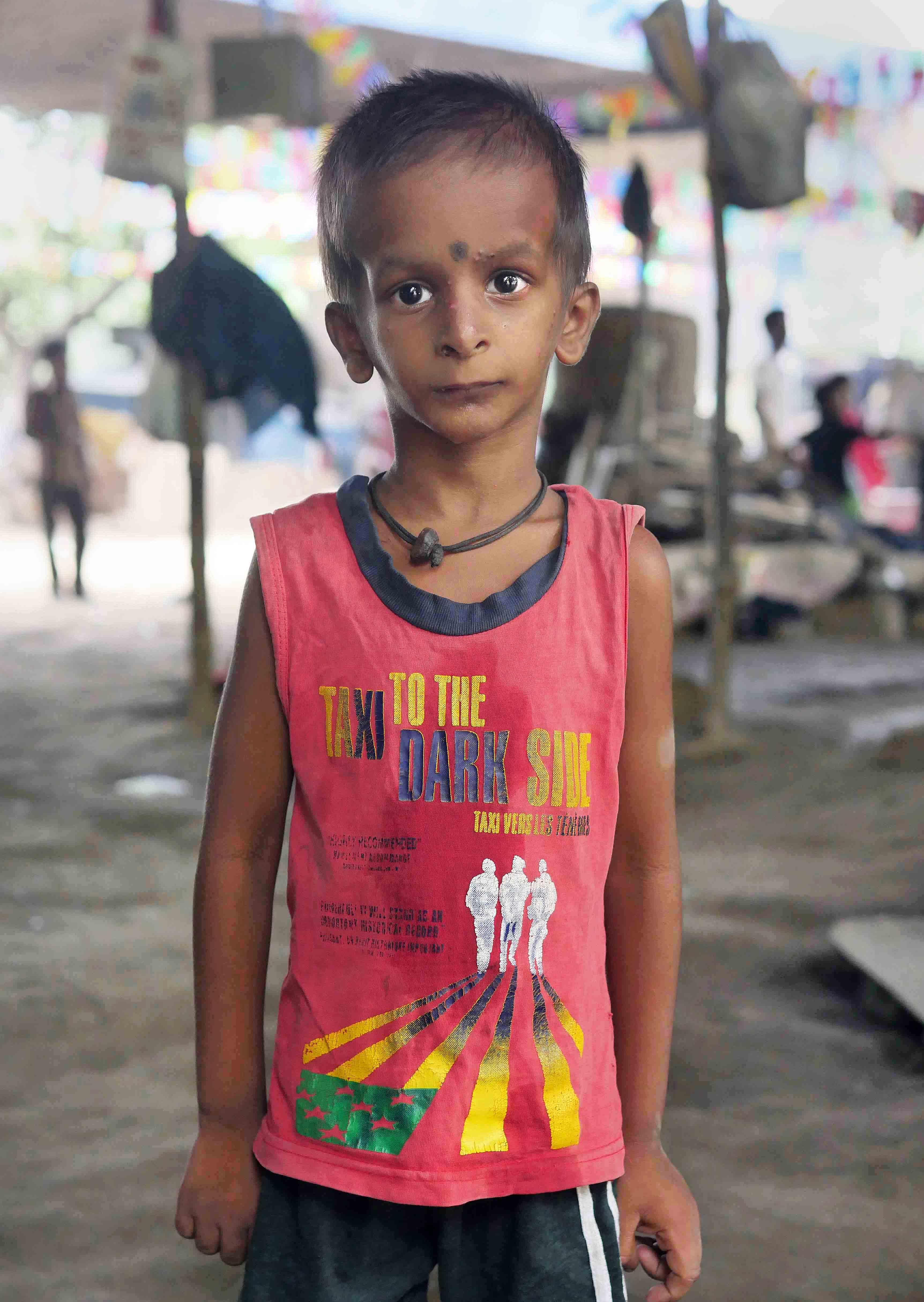
Anna spotted a little boy who looked different from the other children when he was standing in the queue with an elderly woman waiting to see the doctor. “He’s not well” she explained and after more questioning the doctor prescribed some medicine and explained that he was suffering from malnutrition and needed better quality of food. The elderly woman nodded. Only a detailed examination will identify if Sheik has a craniofacial condition (Lambdoid Cranial Synostosis?) that may impact on his physical and mental health.
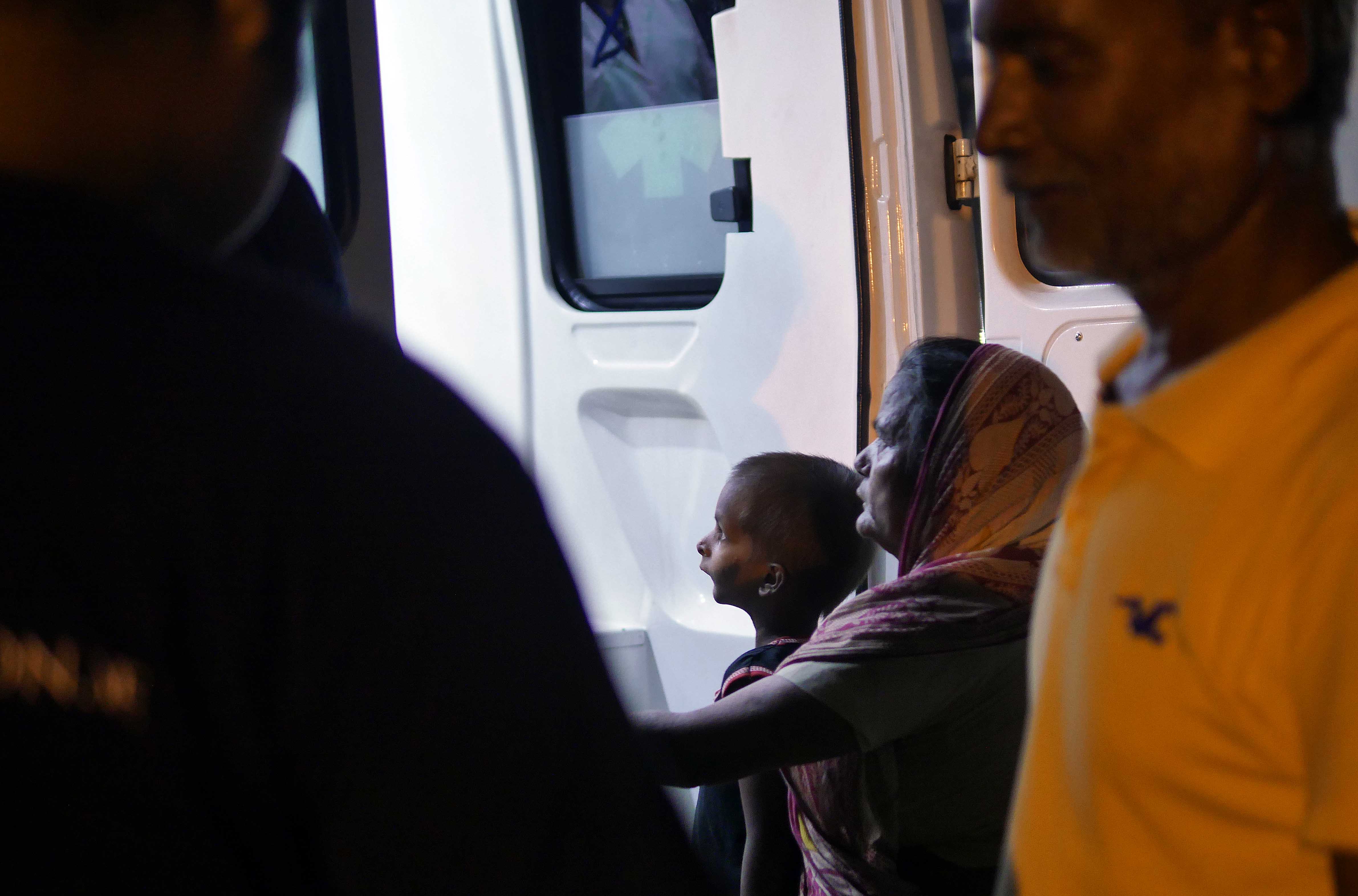
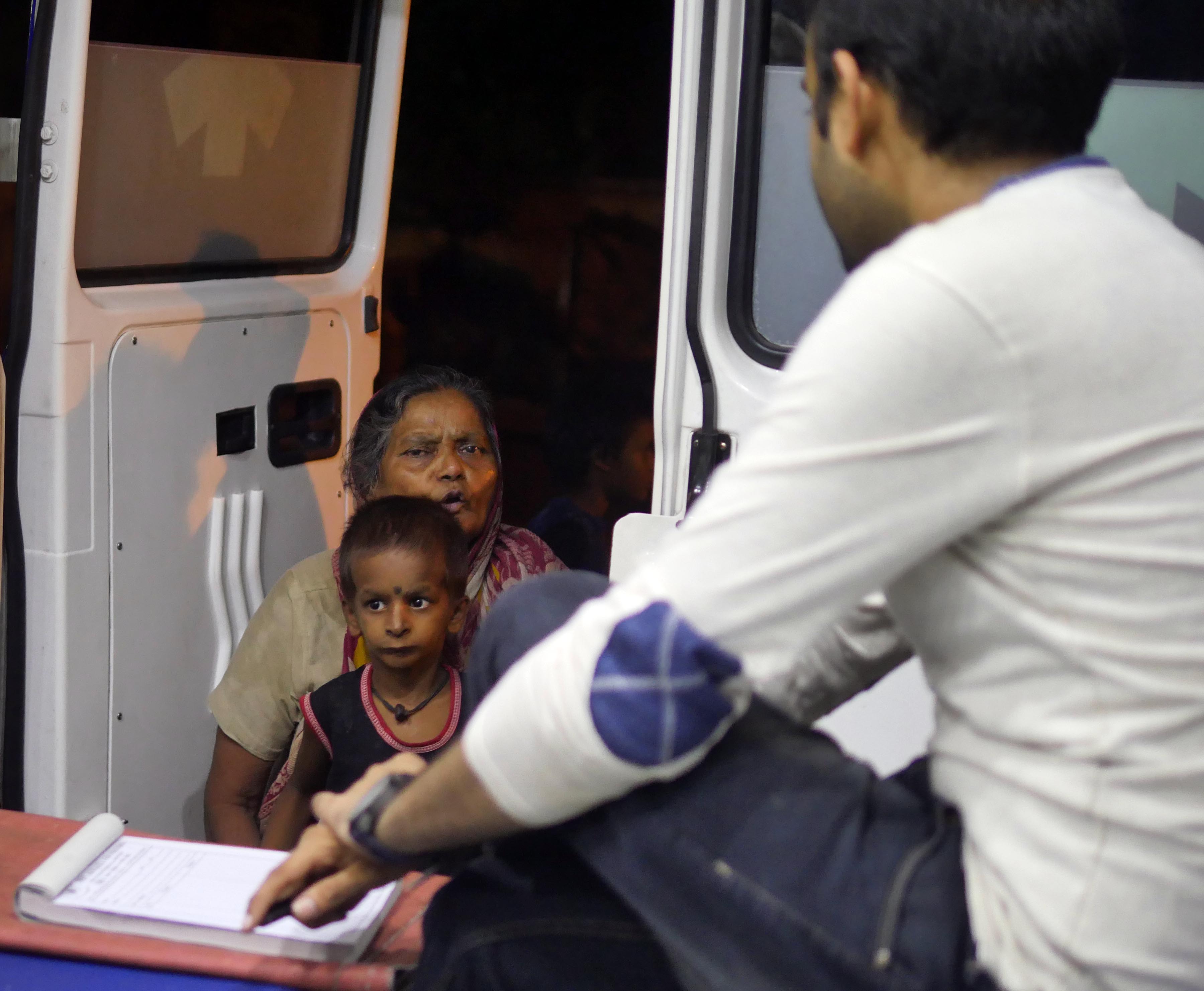
Fortunately, Nightwatch staff are well liked and their work appreciated, by the street people they work with. They introduced us to Sheik and his guardian, and it was agreed that we could visit them next day. Only very slowly did the elderly woman open up to us and explain his background. Her daughter had found Sheik in a bag, abandoned as a baby, on a nearby rubbish dump. They had given him a name ‘Sheik’ and adopted him as their own. He was about 5 years old now and wasn’t developing as well as his peers. He went to school with the others and sat silently with them in class only because it’s a safe environment for him. He had a learning disability and was developing only very slowly, she said. She explained that they had been offered a lot of money for him, probably by a gang, thinking his cute face would be useful as a begging device, but they had turned them down. The community were doing their best to keep him safe and his family hoped to help him develop and live a good life despite their limited resources.